Introduction
Sound waves play a crucial role in our ability to hear and perceive the world around us. Understanding the connection between sound waves and human hearing can provide valuable insights into how our auditory system functions.
How Sound Waves Travel
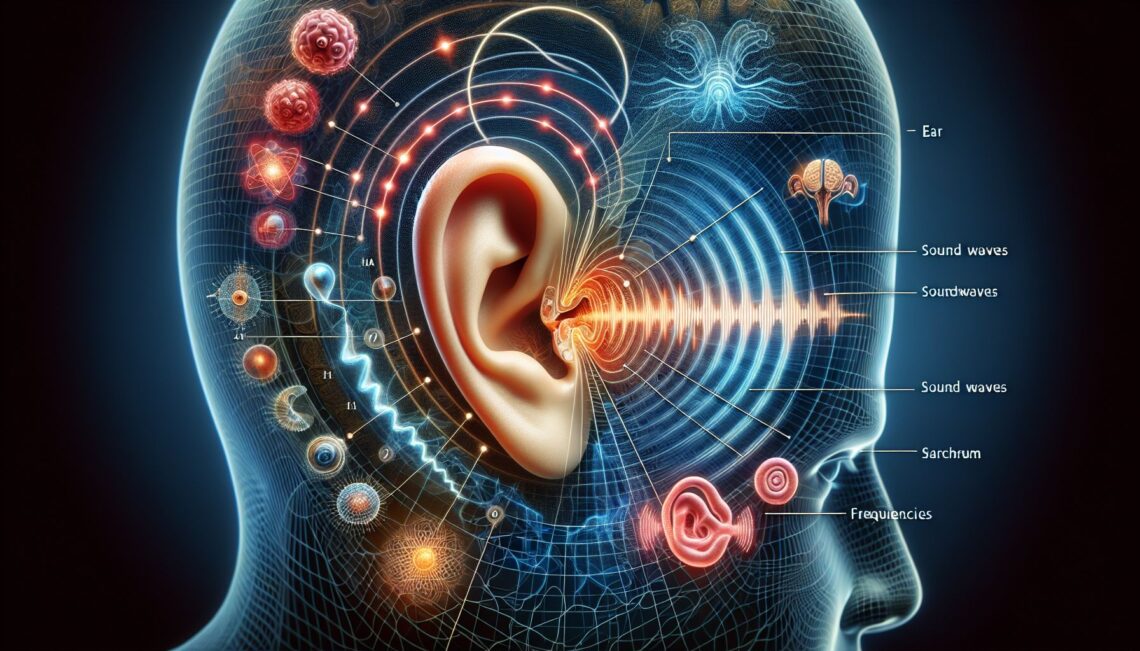
Sound waves are created when an object vibrates, causing the air particles around it to vibrate as well. These vibrations travel through the air in the form of waves, reaching our ears and causing our eardrums to vibrate.
The Process of Hearing
When sound waves enter our ears, they travel through the ear canal and strike the eardrum, causing it to vibrate. These vibrations are then transmitted to the tiny bones in the middle ear, which amplify the sound and send it to the cochlea in the inner ear.
The Role of the Cochlea
The cochlea is a spiral-shaped organ filled with fluid and thousands of tiny hair cells. When sound waves reach the cochlea, they cause the fluid to move, which in turn stimulates the hair cells. These hair cells convert the mechanical vibrations into electrical signals, which are then sent to the brain through the auditory nerve.
Factors Affecting Hearing Ability
Several factors can affect a person’s hearing ability, including age, genetics, exposure to loud noises, and overall health. The delicate process of hearing can be disrupted by various conditions, leading to hearing loss or impairment.
Age-related Hearing Loss
As we age, the hair cells in the cochlea may deteriorate, leading to a gradual decline in hearing ability. Age-related hearing loss, also known as presbycusis, is a common condition that affects many older adults.
Noise-induced Hearing Loss
Exposure to loud noises, such as music concerts or construction sites, can damage the hair cells in the cochlea and result in hearing loss. Noise-induced hearing loss is often preventable by wearing ear protection in loud environments.
Genetic Factors
Some individuals may be genetically predisposed to hearing loss due to inherited conditions. Genetic testing can help identify potential risks for hearing impairment and allow for early intervention.
The Importance of Sound Wave Management
Understanding the relationship between sound waves and human hearing is essential for implementing proper sound wave management strategies. By controlling the volume and frequency of sound waves, we can protect our hearing and prevent long-term damage.
Sound Wave Regulations
Several organizations, such as the Occupational Safety and Health Administration (OSHA), have established guidelines for safe exposure to sound waves in the workplace. Adhering to these regulations can help prevent noise-induced hearing loss among employees.
Technology and Hearing Aids
Advancements in technology have led to the development of sophisticated hearing aids that can amplify sound waves and improve hearing ability. These devices are designed to enhance the auditory experience for individuals with hearing loss.
Conclusion
The relationship between sound waves and human hearing is a complex yet fascinating phenomenon. By understanding how sound waves interact with our auditory system, we can take steps to protect our hearing and maintain optimal hearing ability throughout our lives.
For further information on the relationship between sound waves and human hearing ability, check out Vigli.org for additional insights.