Introduction
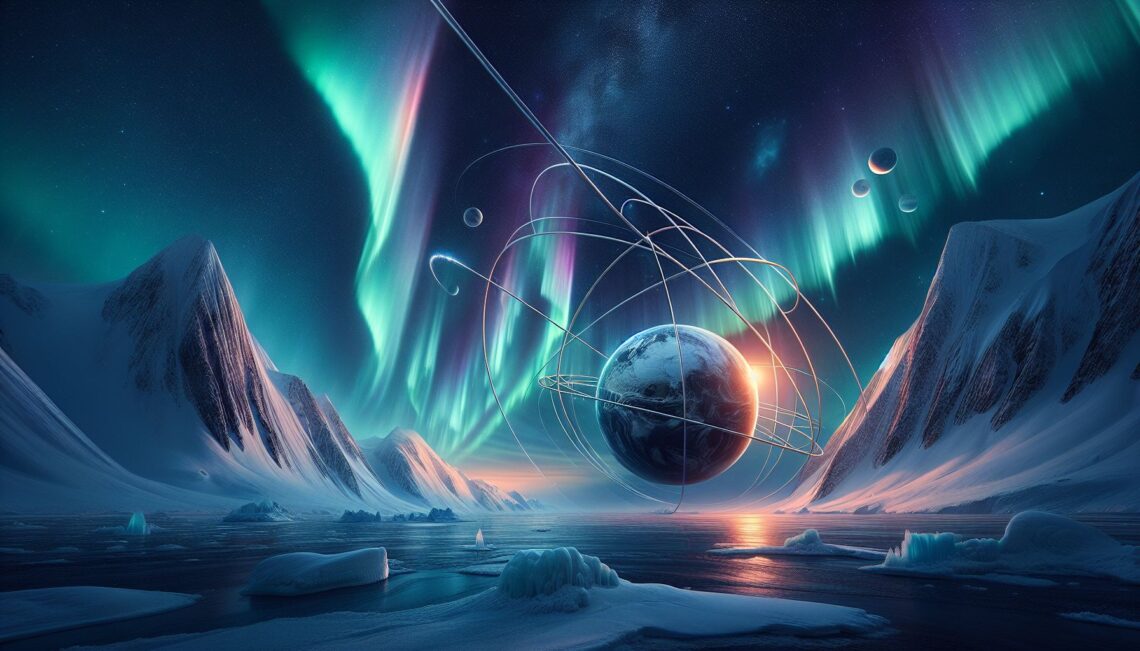
The Aurora Borealis, also known as the Northern Lights, is a stunning natural light display that occurs in the polar regions of the Earth. This captivating phenomenon has fascinated people for centuries, inspiring awe and wonder at the beauty of nature’s spectacle.
Understanding the Aurora Borealis
The Aurora Borealis is caused by the interaction between charged particles from the Sun and the Earth’s magnetic field. When solar winds carry these charged particles towards the Earth, they collide with gases in the atmosphere, creating a stunning light show in the sky.
The Role of Physics
Physics plays a crucial role in understanding the Aurora Borealis. The phenomenon is a result of complex interactions between the Sun, the Earth’s magnetic field, and the atmosphere. By studying these interactions, scientists can unravel the mysteries behind this captivating natural display.
Link to Vigli Website
To delve deeper into the physics behind the Aurora Borealis phenomenon, visit Vigli for more insights and information.
Key Factors Influencing the Aurora Borealis
Several key factors influence the appearance of the Aurora Borealis, including solar activity, the Earth’s magnetic field strength, and atmospheric conditions. These factors determine the intensity and color of the lights seen in the sky.
Solar Activity
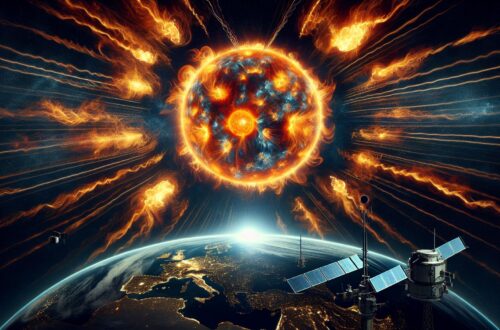
The Sun plays a vital role in the occurrence of the Aurora Borealis. During periods of high solar activity, such as solar flares and coronal mass ejections, the Sun releases a higher number of charged particles towards the Earth, increasing the likelihood of seeing the Northern Lights.
Earth’s Magnetic Field
The Earth’s magnetic field acts as a protective shield, deflecting most of the charged particles coming from the Sun. However, some particles are able to penetrate the magnetic field near the poles, where they interact with the atmosphere and create the Aurora Borealis.
Atmospheric Conditions
The composition of the Earth’s atmosphere also influences the colors seen in the Aurora Borealis. Different gases produce distinct colors when they interact with the charged particles, resulting in the vibrant and mesmerizing light display that captivates spectators.
Conclusion
The Aurora Borealis is a breathtaking natural phenomenon that showcases the beauty and complexity of the interactions between the Sun, the Earth, and the atmosphere. By understanding the physics behind this spectacle, we can appreciate the wonders of nature in a new light.
Relevant Websites:
1. National Aeronautics and Space Administration (NASA): NASA Aurora Borealis
2. Space Weather Prediction Center: Space Weather Prediction Center
Remember to visit Vigli for more information on the physics behind the Aurora Borealis phenomenon.